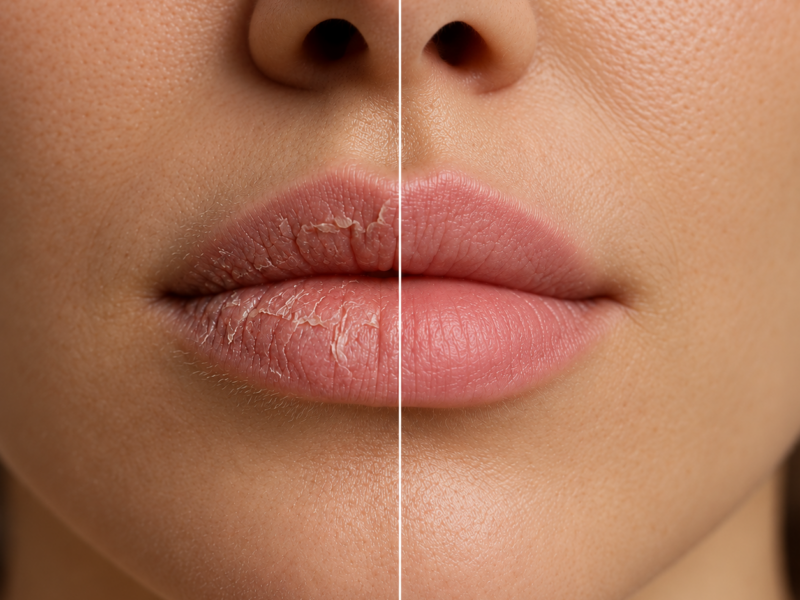

Tightness, roughness, and sensitivity often become more noticeable in autumn because of wind, temperature changes, and the start of the heating season. Similar symptoms, however, do not always have the same cause. A dry skin type is associated with insufficient surface lipids, dehydration with impaired water retention, and burning or redness may indicate dermatitis or rosacea. Before recommending a procedure, the physician assesses the barrier, inflammation, and tolerance of active ingredients.
Biorevitalization may improve hydration in appropriately selected patients, but it does not replace surface protection and does not treat active dermatological disease. In some cases, stopping irritating exposures and restoring the barrier is more important than injections.
Dryness and Dehydration Are Different Conditions
| Condition | Typical Features | Main Objective |
| Dry skin type | Roughness, fine flaking, insufficient lipids | Support the lipid layer and reduce water loss |
| Dehydration | Tightness, dull appearance, temporary fine dehydration lines | Improve water retention and remove contributing factors |
| Barrier impairment | Burning, increased reactivity, redness | Eliminate irritants and restore barrier integrity |
| Dermatosis | Persistent redness, itching, inflammatory lesions | Establish the diagnosis and provide treatment |
These conditions may coexist. Oily skin, for example, may become dehydrated and sensitive after frequent use of acids.
Why Do Symptoms Worsen in Autumn?
At the beginning of autumn, the air becomes drier and indoor heating reduces humidity. Temperature changes affect vascular responses, while hot water and intensive cleansing remove additional surface lipids. Continuing a summer regimen with frequent acids or retinoids may gradually increase irritation. Preparing the skin for winter begins with stabilizing the barrier, not with abruptly adding more active ingredients.
The skin may also react to new medication, hormonal changes, thyroid disease, or a flare of atopic dermatitis. Persistent dryness should therefore not automatically be attributed to the weather.
When Is Barrier Restoration Sufficient?
When there is no active disease, the physician usually simplifies the regimen and temporarily removes irritating ingredients. An appropriate product combines humectants, emollients, and, when needed, occlusive ingredients. It is selected according to the treatment area, degree of dryness, and tendency to develop acne.
Following an aesthetic procedure, the recovery product must also correspond to the method used. A formulation suitable for intact skin may cause burning after laser treatment, a peel, or microneedling. For antioxidant support, the specialist may consider SummeCosmetics Cell C Renewall Serum, but only after the skin surface has healed and tolerability has been assessed.
The Role of Biorevitalization
Biorevitalization involves intradermal injections of hyaluronic acid formulations. Research indicates a potential improvement in skin hydration and visual skin quality, although the effect depends on the product, technique, number of sessions, and baseline tissue condition.
The procedure is not performed when there is active infection, inflammation, or skin damage. Temporary reactions may include papules, redness, swelling, and bruising. If dermatitis is the main cause of symptoms, the disease must be controlled first.
How Does the Physician Choose a Hydration Strategy?
- Determines whether inflammation or barrier impairment is present.
- Reviews current products, medication, and previous procedures.
- Assesses skin density, elasticity, and the degree of age-related change.
- Separates the objectives: hydration, texture, vascular changes, or pigmentation.
- Recommends a recovery regimen, an injectable procedure, or a staged combination.
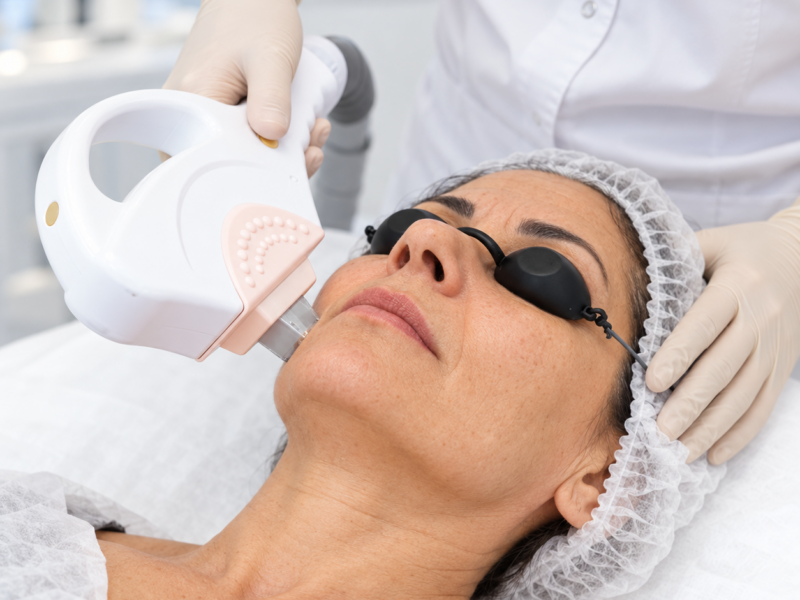
Device-based procedures are not a universal way to “hydrate the skin.” They are selected for defined concerns such as vascular changes, scars, uneven texture, or reduced firmness.
The result should not be assessed immediately after applying a heavy product or while post-injection swelling is present. The physician compares the skin after the reaction has stabilized and under consistent conditions. This distinguishes a short-lived visual effect from a true improvement in hydration and tissue quality.
Frequently Asked Questions
Can Biorevitalization Be Performed When the Skin Is Flaking?
The cause must be determined first. Treatment is postponed in active dermatitis, infection, or significant barrier damage.
Does Hyaluronic Acid Replace Recovery Products?
No. An injectable procedure and surface protection address different needs and may complement each other when indicated.
Why Has My Cream Suddenly Started to Burn?
Possible causes include barrier impairment, active ingredients, a formulation change, or the development of a dermatosis. The product is paused and the reaction is discussed with a specialist.
How Quickly Does Seasonal Dryness Improve?
The time frame depends on the cause. Simple barrier impairment may improve with an appropriate regimen, whereas dermatological disease requires treatment and monitoring.
Book a consultation at Medest if dryness persists, is accompanied by burning, or appears after a procedure. The physician will assess the barrier and determine whether biorevitalization, a recovery program, or dermatological consultation is appropriate.