

In autumn, the skin faces several challenges at once: lower outdoor humidity, dry indoor air after the heating is switched on, temperature changes, and hot water. A product that was sufficient in summer may no longer compensate for water loss. This does not mean the skin has become “accustomed” to the cream. Supporting barrier recovery at this stage helps prepare it for winter conditions.
The problem may reflect changed environmental conditions, barrier damage, or an overly intensive regimen. If acids, retinoids, drying products, and frequent cleansing are used together, adding another moisturizer does not always solve the problem.
Structure of the Protective Barrier
The stratum corneum can be understood as a system of corneocytes surrounded by intercellular lipids. Ceramides, cholesterol, and fatty acids limit water evaporation and the penetration of irritants. When this structure is disrupted, tightness, flaking, and burning develop.
Humectants attract and retain water, emollients fill spaces between skin scales, and occlusive ingredients reduce evaporation. An effective formula combines these mechanisms in proportions appropriate for the individual skin condition.
Why Is the Previous Texture No Longer Enough?
A lightweight gel may be well tolerated in summer yet provide insufficient protection in low humidity. Conversely, a very rich occlusive formulation may feel uncomfortable on acne-prone skin. Selection depends on the current state of the barrier rather than the season alone.
Other reasons a product may seem less effective include:
- excessive cleansing and hot water;
- frequent use of acids and retinoids;
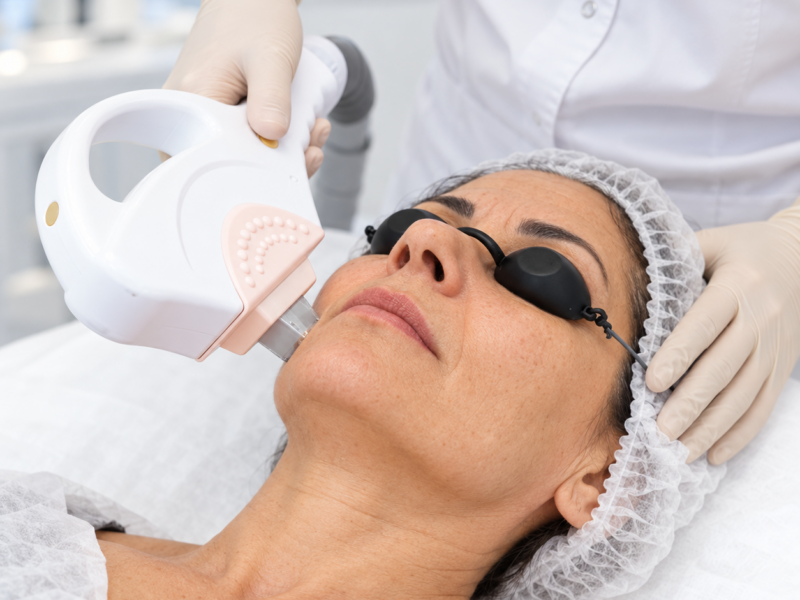
- recovery after laser treatment, IPL, or a peel;
- a flare of atopic or contact dermatitis;
- a change in medication or general health;
- a reaction to fragrance or a preservative.
Adjusting the Recovery Regimen
The first step is usually to reduce irritating exposures. Active ingredients are paused temporarily, cleansing is made gentler, and a protective product is selected according to the degree of dryness. If the skin has recently undergone a procedure, only physician-approved formulations should be used.
Professional skincare can support the result once the barrier is stable. For example, SummeCosmetics Cell C Renewall Serum may later be included by a specialist in an antioxidant regimen, but it should not be applied automatically to irritated skin.
When Is a Cream Not Enough?
Persistent itching, bright redness, weeping, fissures, and localized scaling require examination. Contact dermatitis requires identification and avoidance of the allergen. Atopic dermatitis may require medical treatment. In rosacea, controlling inflammation and temperature triggers is important.
Covering a skin disorder with a thick layer of a cosmetic product may briefly reduce tightness but cannot replace treatment.
Preparing the Skin for Winter Procedures
The barrier should be stable before IPL, laser treatment, a peel, or Morpheus8. Active burning and flaking increase the risk of prolonged irritation. Postponing a procedure for one or two weeks may be safer than attempting to “hydrate” the skin rapidly immediately before a session.
After a device-based procedure, the regimen is simplified again. Active ingredients are reintroduced step by step after the skin surface has recovered and the physician has assessed the response.
How Do Humidity and Habits Affect the Skin?
A humidifier may reduce the drying effect of heating, but it does not replace topical protection or treatment of a dermatosis. The device must be cleaned regularly to prevent dispersal of microorganisms. A comfortable indoor temperature also matters: overheating increases evaporation and vascular reactivity.
Long, hot showers and frequent washing remove surface lipids. After water exposure, a product may be applied to slightly damp skin if the specialist recommends this method. The face should be patted rather than rubbed with a towel.
When Should Active Ingredients Be Reintroduced?
Once the barrier has stabilized, active ingredients are reintroduced one at a time. This helps identify what provokes a reaction. Basic tolerance of cleansing and a protective product is restored first; antioxidants, retinoids, or acids are then introduced when indicated.
If burning returns, it should not be offset with a thicker layer of cream. The active ingredient is paused while frequency, concentration, and combinations are reassessed.
Dryness Around the Eyes and Lips
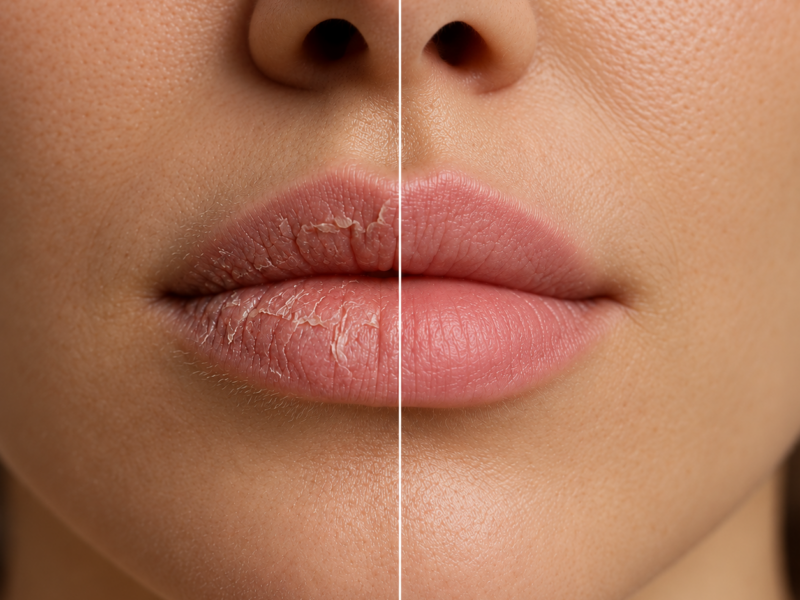
Eyelid and lip skin is thinner and is often the first to react to dry air. Products used on the rest of the face may be too active for these areas. Persistent eyelid redness requires evaluation for contact dermatitis, while recurrent lip fissures warrant assessment for cheilitis.
Applying topical corticosteroids around the eyes or on the lips without a prescription is unsafe. The physician determines the medication and treatment duration.
Frequently Asked Questions
Can the Skin Become Used to One Cream?
There is no physiological “tolerance” in the usual sense. More often, the environment, condition of the barrier, or needs of the skin have changed.
Should More Product Be Applied?
Using a larger amount does not compensate for an unsuitable formula or ongoing irritation. The entire regimen should be reviewed.
Can Retinoids Be Continued When the Skin Is Flaking?
Pronounced burning and barrier damage require a pause and consultation. The timing of retinoid reintroduction is individualized.
Does Biorevitalization Help Every Type of Dryness?
No. Injections do not treat dermatitis and do not replace restoration of the surface barrier.
If tightness and burning persist, book a consultation at Medest. The physician will assess the barrier, rule out a dermatological condition, and select a recovery protocol before winter procedures.