Hair Becomes Oily Quickly and the Scalp Itches and Flakes: Medest Trichologist Advice on Causes and Diagnosis
Rapid oiliness, itching, and flaking do not always indicate “incorrect washing”. These symptoms may occur with seborrhoeic dermatitis, irritation from cosmetic products, psoriasis, fungal infection, and other conditions. A diagnosis cannot be made from the appearance of flakes alone without an examination. A Medest trichologist advises against masking symptoms with dry shampoo and oils; the scalp should be assessed, particularly when redness, crusting, tenderness, or hair loss is also present.
Why the Scalp Becomes Oily Quickly
Sebum is produced by sebaceous glands and helps protect the skin surface. The rate at which it appears depends on genetics, hormonal factors, temperature, activity, and cleansing frequency. Washing the hair every day does not by itself indicate disease: some people need to do so because of pronounced oiliness or exercise.
The concern requires attention when oiliness is accompanied by itching, inflammation, visible flaking, an unpleasant odour, painful lesions, or a change in hair density. In this situation, identifying the cause is more important than trying at all costs to “train the scalp to be washed less often”.
Dry Dandruff or Seborrhoeic Dermatitis
Dandruff is considered a mild form of scalp flaking, but in everyday language the term is used for different conditions. Seborrhoeic dermatitis may cause white or yellowish flakes, oily areas, redness, and itching. It also commonly affects the hairline, eyebrows, folds beside the nose, and the area behind the ears.
Fine, dry flakes and tightness. Dryness or a contact reaction is possible. The physician will need to know about new products and washing with hot water.
Oily yellowish flakes and redness. Seborrhoeic dermatitis is possible. The affected areas, recurrences, and itching are important.
Thick, well-defined plaques. Psoriasis must be excluded; the physician will ask about the elbows, nails, and family history.
Broken hairs or round patches. Infection and alopecia must be excluded; examination and, when indicated, tests are required.
Pustules, pain, and crusting. Folliculitis or another inflammatory condition is possible; timely treatment is important because of the risk of scarring.
This guide can help describe the symptoms but does not replace diagnosis. The same condition may appear differently in different patients, and several conditions may be present at the same time.
Habits That May Aggravate Symptoms
- Applying oils and masks intended for the hair lengths directly to an inflamed scalp.
- Using excessively hot water, scratching vigorously with the nails, or using hard brushes.
- Frequently changing medicated shampoos without assessing the response.
- Wearing tight headwear on wet hair for prolonged periods.
- Using large amounts of dry shampoo instead of cleansing the scalp.
- Contact with a new hair dye, styling product, or fragranced product.
Dry shampoo absorbs some sebum but does not cleanse the scalp thoroughly or treat inflammation. Oil may temporarily reduce tightness, but rich textures can sometimes worsen seborrhoeic dermatitis.
How a Trichologist Assesses the Scalp
- Medical history. The physician asks when the symptoms began, how often the scalp is washed, which products and medicines are used, and whether stress, medical conditions, or hair loss are present.
- Examination of the scalp and hair. Redness, the type of scale, crusts, pustules, hair density, and the condition of the hair shafts are assessed.
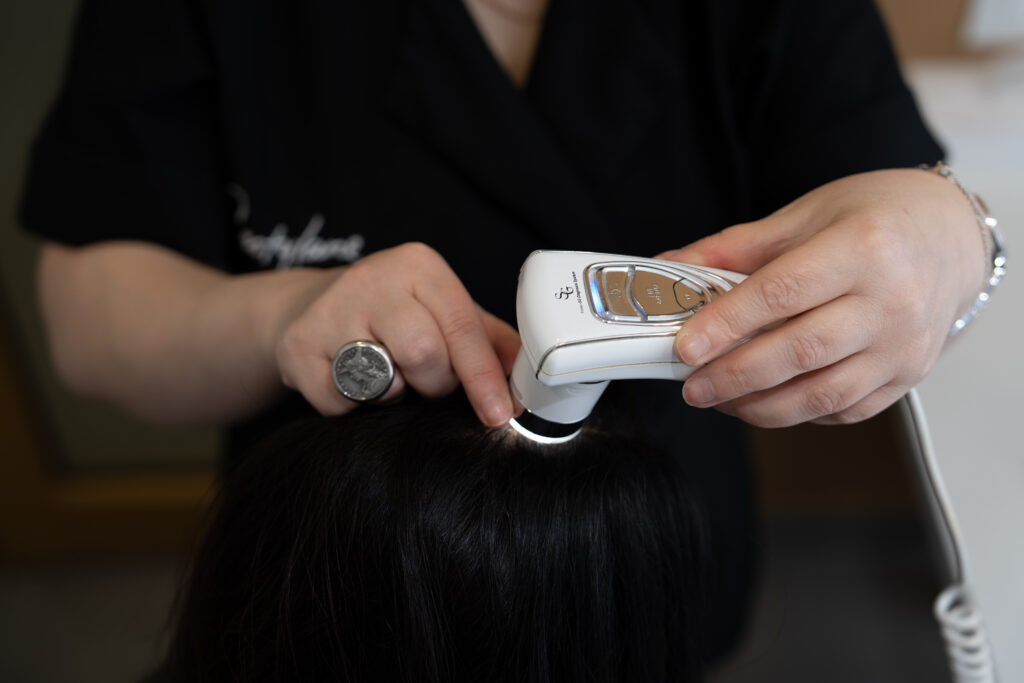
- Trichoscopy. Magnification allows the specialist to examine follicular openings, vascular patterns, hair diameter, and signs of inflammation.
- Additional investigations. If a fungal infection is suspected, material is collected for microscopy or another analysis. When hair loss is present, the physician may request laboratory tests according to the history.
- Treatment plan. Medicated cleansing, topical preparations, and frequency of use are selected; injection-based methods are discussed only for specific indications.
Not every patient requires an extensive set of tests. Investigations are selected according to the clinical findings rather than prescribed as the same standard list for everyone.
Medest Trichologist Advice Before the Consultation
- Keep your usual cleansing frequency and wash the scalp when it becomes dirty.
- Write down the names of shampoos, dyes, styling products, and medicines used before the flare-up.
- Do not remove crusts or treat the scalp with alcohol or concentrated acids.
- Do not begin several medicated products at the same time, as this will make it difficult to identify the cause of a reaction.
- Photograph a pronounced flare-up if the symptoms are likely to improve before the appointment.
- Seek medical advice promptly if there is severe pain, pus, weeping, fever, or a rapidly enlarging area of hair loss.
How Treatment Is Selected
Seborrhoeic dermatitis is treated with medicated shampoos containing antifungal and other active ingredients; the physician selects the specific product and contact time. A short course of prescription medication may be needed to reduce inflammation. With contact dermatitis, the irritant or allergen must be identified and avoided. Psoriasis, infection, and folliculitis each require their own treatment regimens.
Mesotherapy and PRP do not replace treatment for active dermatitis or infection. The physician first controls the scalp condition and then evaluates hair loss and hair quality. Professional scalp cosmetics are selected as part of the regimen and should not duplicate medicinal ingredients.
When Hair Loss Is Not Caused by the Scalp Alone
Itching and oiliness may occur at the same time as diffuse hair loss following illness, stress, deficiency states, dietary changes, or medicine use. This does not mean that dandruff has “blocked oxygen” from reaching the follicles. A follicle receives nutrients through the blood supply to the skin, and the cause of reduced density is assessed separately.
Book a consultation with a Medest trichologist if oiliness, itching, and flaking recur or are accompanied by hair loss. The specialist will assess the scalp and select treatment according to the cause and, when indicated, recommend procedures available from the trichology department in Yerevan.
| Code | Service name | Cost, ֏ |
|---|---|---|
| A14.01.013 |
A14.01.013
Trichoscopy |
20 000 |