
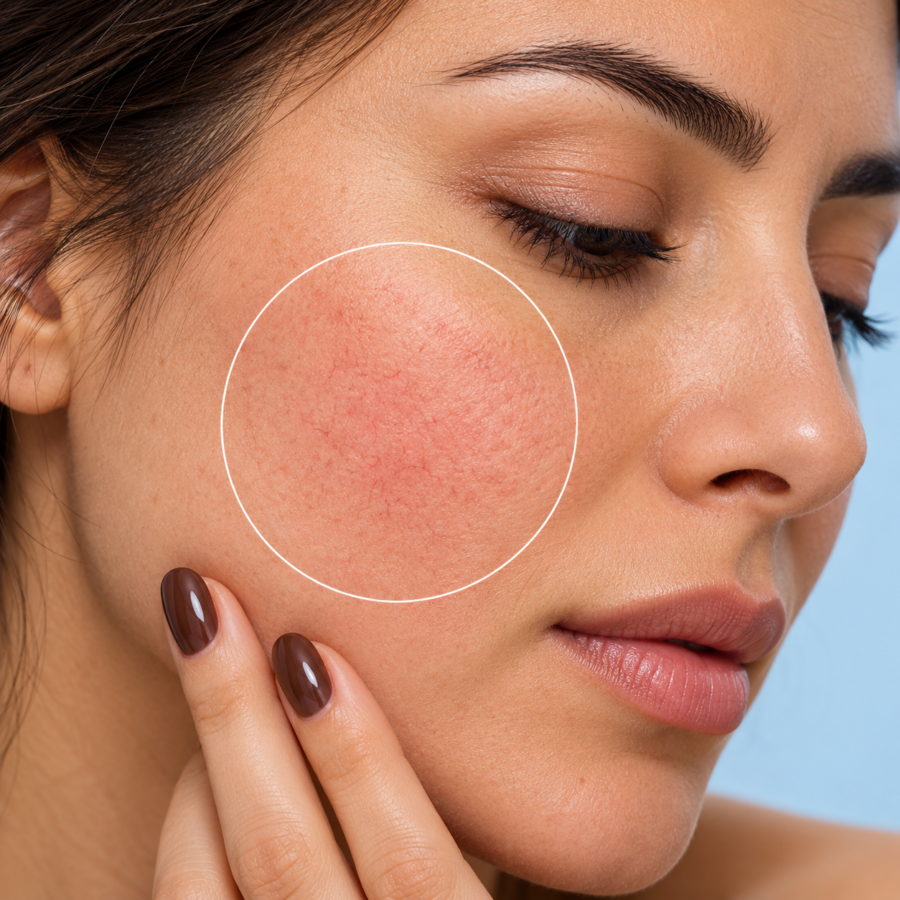
Redness after IPL is related to controlled heating of the treatment targets and surrounding tissue. In one patient it may decrease within a few hours, while in another it persists longer. Duration depends on skin phototype, treatment area, vascular reactivity, fluence, and the purpose of the procedure.
A universal statement that redness is “normal for up to 24 hours” does not apply to every protocol. Both duration and progression matter: an expected reaction gradually subsides, whereas a complication may involve increasing pain, swelling, or a change in skin color.
Expected Reactions After IPL
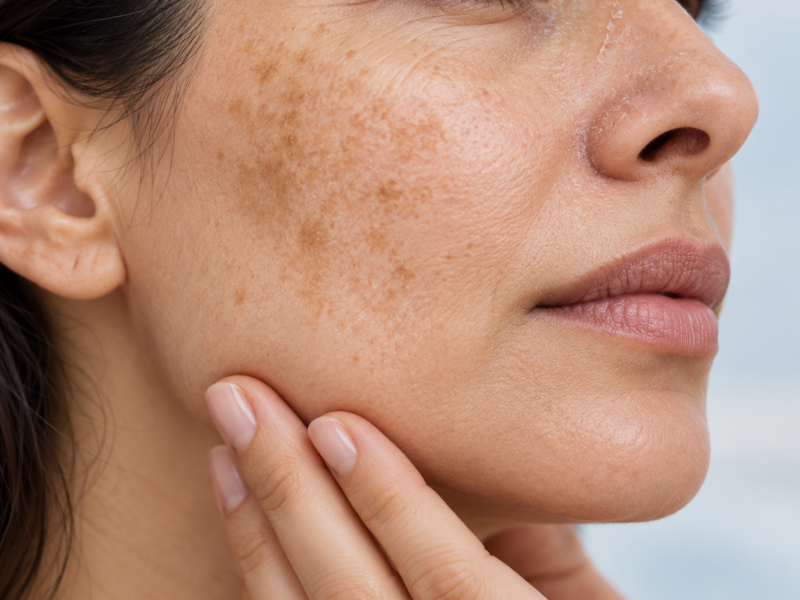
Warmth, moderate erythema, and mild swelling may occur immediately after treatment. When vessels are treated, localized darkening or a bluish tone is sometimes seen. Pigmented spots may become darker before gradually flaking away.
Facial reactions often resolve faster than those on the neck, décolleté, or body. Skin around the eyes is more prone to swelling. A patient’s previous experience is useful but does not guarantee the same response if the parameters or treatment area change.
When Could the Reaction Indicate a Complication?
Contact the clinic if:
· pain increases instead of gradually subsiding;
· blisters or weeping appear;
· swelling rapidly worsens or spreads;
· the skin becomes markedly white, gray, or very dark;
· painful, dense crusts form;
· purulent discharge or fever develops;
· altered sensation persists.
Do not apply acids, alcohol-based solutions, or self-prescribed medicated ointments to these areas.
Recovery During the First Few Days
Cleanse the skin gently without hot water, brushes, or scrubs, and use only the products recommended by the specialist. For a sensation of heat, the physician may permit brief cooling through a clean cloth, but ice should not be placed directly on the skin.
Saunas, steam rooms, intensive exercise, and swimming pools should be avoided until the reaction subsides. The face should not be rubbed vigorously with a towel, and the treated area should not be massaged.
Protecting the Skin After Phototherapy
After light-based treatment, protection from ultraviolet exposure is particularly important. Direct sun increases the risk of pigmentation changes and may compromise treatment of pigment spots. A broad-spectrum sunscreen is applied as advised by the physician and reapplied according to time spent outdoors.
If a holiday, mountain trip, or prolonged outdoor activity is planned, the procedure is best postponed or the protection requirements discussed in advance.
Reintroducing Active Products
Acids, retinoids, and exfoliating ingredients are reintroduced gradually after redness, sensitivity, and flaking have resolved. The specific interval depends on the depth of the reaction. Attempting to accelerate skin renewal with an additional peel increases the risk of irritation.
The maintenance regimen should be appropriate for the procedure performed. Even a familiar professional serum may burn when the barrier is temporarily compromised.
Follow-Up and the Next Session
Another treatment is performed only after complete recovery and assessment of the previous result. The physician may change the filter, fluence, pulse duration, or interval. If the reaction was excessive, the same settings should not be repeated automatically.
Photographs should be taken in consistent lighting. Redness and temporary darkening of spots distort the immediate appearance after IPL, so final assessment is deferred.
Why Do Reactions Differ Between Areas?
Facial skin has a rich blood supply and often develops erythema quickly. Recovery may take longer on the neck and décolleté, while pigmented lesions may look darker for several days. More noticeable swelling can occur around the eyes.
The response to vascular treatment differs from the response to pigment treatment. A vessel undergoing closure may temporarily become brighter or darker, while a pigment spot may develop a fine, dark, speckled appearance. The physician explains the expected progression for the selected target in advance.
How Do Medications and Active Ingredients Affect the Reaction?
Some medications increase photosensitivity, alter blood clotting, or affect healing. Patients should provide a full medication list, including recently completed courses. Prescribed medications must not be stopped without medical advice.
Retinoids, acids, and irritating products may increase surface sensitivity. The required pause depends on the specific substance, concentration, and indication. A universal instruction to “stop everything for one week” is not medically precise.
Makeup After IPL
If the skin is intact and the reaction is mild, the physician may permit makeup relatively soon. Cosmetics are postponed if crusting, blisters, or pronounced irritation are present. Tools must be clean, and makeup removal should be gentle.
An unusual reaction should not be concealed before contacting the clinic. The physician needs to see the true color and borders of the affected area.
If there is uncertainty, send the specialist a photograph taken in daylight and describe how the symptoms have changed. This does not replace examination, but it helps determine how urgently a visit is needed and which products should be avoided in the meantime.
If redness after IPL is concerning, contact the clinic where the procedure was performed. To plan a course at Medest, book IPL phototherapy: the physician will explain expected reactions in advance and provide individualized instructions.