
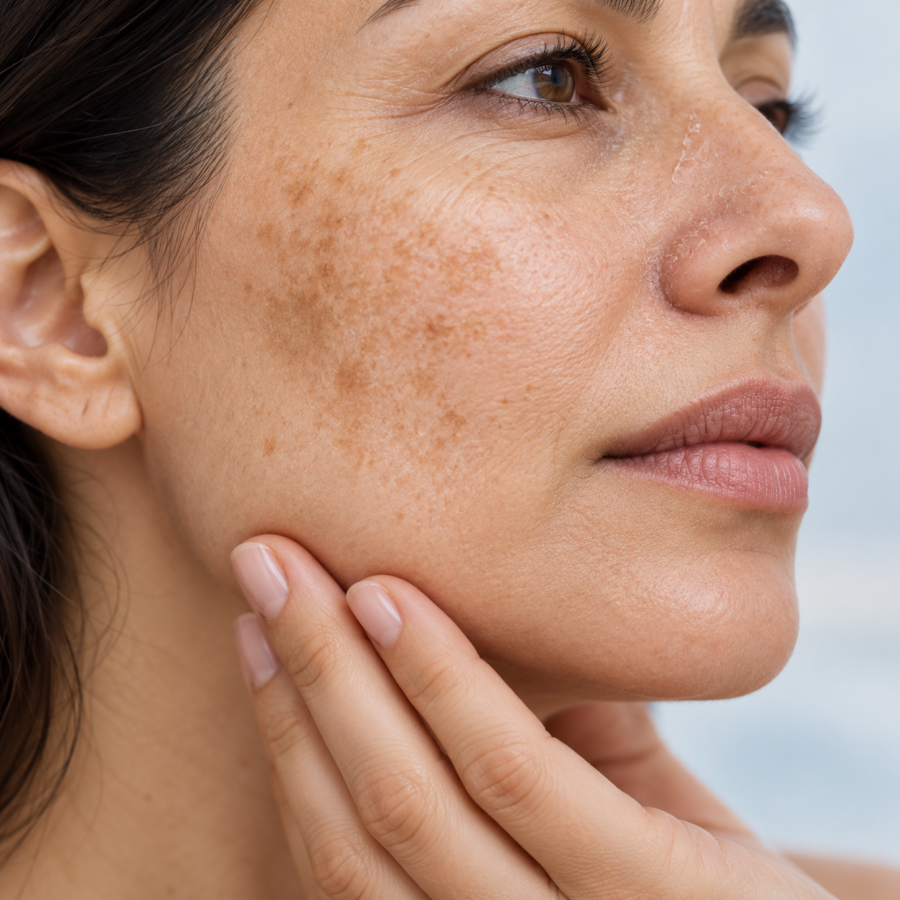
Autumn is a convenient time to assess pigmentation after a season of active sun exposure, but the season itself does not determine the treatment. Solar lentigines, post-inflammatory hyperpigmentation, and melasma may all appear as dark spots, yet they differ in mechanism, depth, and risk of recurrence.
Melasma requires particular caution. It is a chronic condition associated with ultraviolet radiation, visible light, hormonal influences, and individual factors. Aggressive treatment may provoke inflammation and make pigmentation more pronounced.
Main Types of Pigmentary Change
| Condition | Typical features | Approach after diagnosis |
| Solar lentigo | Discrete, well-defined spots on exposed areas | Light-based, laser, or other methods when indicated |
| Post-inflammatory hyperpigmentation | Develops at a site of inflammation or injury | Inflammation control and cautious pigment correction |
| Melasma | Symmetric facial patches with a tendency to recur | Long-term photoprotection and combination therapy |
| Suspicious lesion | Asymmetry, uneven appearance, or change | Dermoscopy and oncological vigilance |
A pigmented lesion should not be treated until the physician is confident that it is benign.
Diagnosis Before a Procedure
The specialist assesses the distribution, shade, borders, and apparent depth of pigment. Pregnancy, hormonal therapy, medications, inflammatory conditions, and the response to previous procedures are reviewed. Dermoscopy is performed when needed.
Patients should report when the spot appeared and whether it has changed. Photographs taken before a holiday may help establish its progression. A rapidly growing or bleeding lesion must not be lightened with cosmetic procedures.
Why Is Laser Treatment Not First-Line Therapy for Melasma?
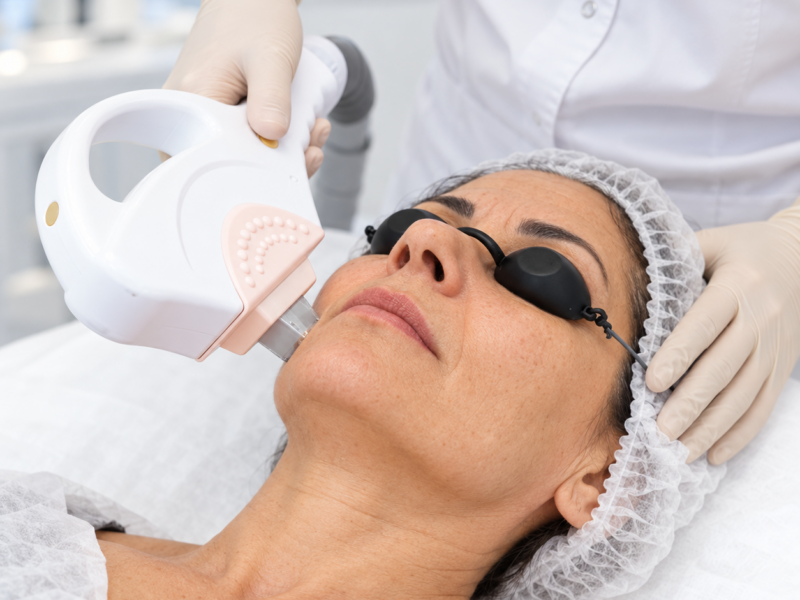
Consensus reviews generally describe laser procedures as an adjunctive option for selected resistant cases rather than a universal first step. Light or thermal treatment may reduce pigment, but it can also cause inflammation and subsequent recurrence.
Risk is higher in darker phototypes, recently tanned skin, and patients prone to post-inflammatory hyperpigmentation. If a device-based method is chosen, conservative settings are required, and the need for ongoing maintenance therapy should be explained in advance.
Core Elements of a Treatment Program
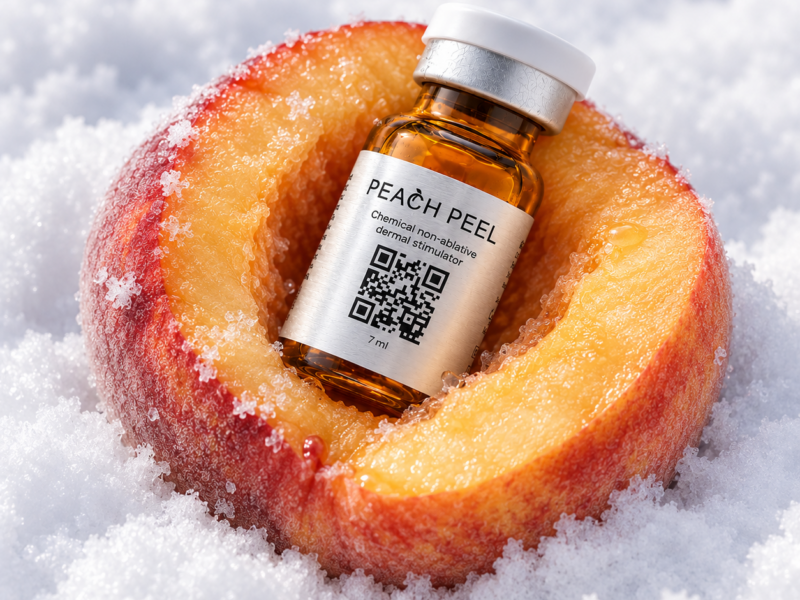
A program generally includes broad-spectrum protection from ultraviolet and visible light, management of hormonal and inflammatory factors, and physician-prescribed topical medication. Chemical peels, IPL, and lasers may complement the regimen but do not replace its foundation.
To help maintain the result, the specialist may select a professional product intended to improve the appearance of uneven tone. For example, Aesthetic Dermal Aclaranse Serum contains active ingredients, so its use after procedures should be agreed with the physician and not started on irritated skin.
Assessing Results and Preventing Recurrence
Melasma tends to recur with ultraviolet exposure, visible light, and hormonal changes. Clearance after a course does not mean the condition has been permanently cured. The physician evaluates both lightning and the absence of irritation.
Repeated intensive procedures at short intervals may worsen the condition. A maintenance regimen started in autumn continues into winter, especially when time in the mountains is expected.
How Does Visible Light Affect Melasma?
In melasma, not only ultraviolet radiation but also the visible portion of the spectrum matters. The physician may therefore recommend a tinted sunscreen containing iron oxides. It can reduce exposure to visible light while evening the appearance of the complexion without aggressive camouflage.
Photoprotection should be applied in an adequate amount and reapplied according to time outdoors. A single morning application does not provide the same protection throughout the day.
Why Is Sun Protection Still Necessary in Autumn?
Ultraviolet intensity decreases in autumn but does not disappear. Yerevan has many clear days, and winter trips to the mountains involve greater exposure. After a peel, IPL, or laser treatment, inadequate protection increases the risk of recurrent darkening.
Cloud cover is not reliable protection either. The regimen is selected according to the UV index, time outdoors, and treatment being performed.
Assessing Pigment Depth and Treatment Response
Superficial pigment generally responds differently from dermal or mixed pigment. The physician assesses its shade and distribution and may use additional lighting or instrumental methods. Depth affects both topical treatment selection and the suitability of a device-based procedure.
If a spot becomes darker after every irritating procedure, the strategy should shift toward inflammation control. Increasing intensity in this situation may be counterproductive.
Frequently Asked Questions
Can Melasma Be Removed in One Procedure?
No. It is a chronic, recurrent condition that requires long-term control and photoprotection.
Why Do Spots Become Darker After a Holiday?
Ultraviolet radiation and visible light stimulate melanin production. Darkening may also follow inflammation or sunburn.
Is IPL Suitable for Melasma?
It may be considered within a combined program in selected cases, but it is not a universal treatment. Inappropriate settings may worsen pigmentation.
When Should Correction Begin in Autumn?
After the tan and any sun-related irritation have resolved. The physician determines the exact timing based on the condition of the skin.
Book a consultation at Medest before IPL, laser treatment, or a peel. The physician will identify the type of pigmentation, exclude suspicious lesions, and create a program based on skin phototype and recurrence risk.