Polynucleotides in Summer: When They Are Recommended for Skin Recovery and How Results Are Assessed
Polynucleotides are injectable products used to improve skin quality. They may be considered for reduced elasticity, uneven texture, fine lines, and signs of dehydration, including after a season of intense sun exposure. The procedure can be performed in summer, but not on sunburned or inflamed skin and not immediately before a beach holiday.
Polynucleotides do not replace SPF and do not reverse the effects of ultraviolet radiation. Their role is to provide professional support for skin quality when medically indicated, while sun protection remains an essential part of the plan.
What Are Polynucleotides in Aesthetic Medicine?
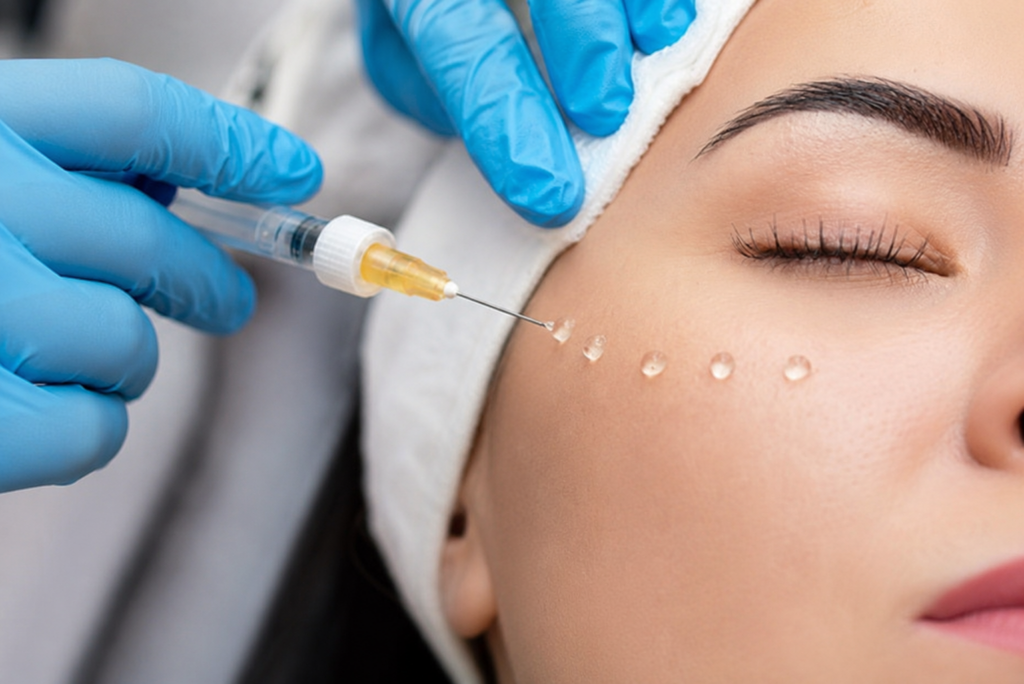
Polynucleotides are purified fragments of nucleic acids. In aesthetic medicine, they are injected intradermally according to specific protocols. Clinical publications describe improvements in texture, elasticity, and the appearance of fine lines after a course of treatment. The result depends on the product, treatment area, technique, baseline tissue condition, and selected protocol.
Polynucleotides should not be confused with fillers. They are not intended for pronounced cheekbone contouring or lip augmentation. They are also not botulinum toxin: the procedure does not block facial movement. The primary goal is smoother, denser, visibly revitalized skin without a marked change in facial features.
Which Areas Can Be Treated?
After an examination, the physician may consider polynucleotides for the face, neck, decollete, hands, and periorbital area. Each area requires an appropriate product and technique. Thin skin around the eyes requires particularly precise selection of injection depth and volume: using any skin booster according to a universal protocol may increase swelling.
Polynucleotides may be appropriate for the following concerns:
- dull, uneven skin tone after intense sun exposure;
- fine lines and reduced elasticity;
- a sensation of dryness associated with a compromised skin barrier;
- thin skin around the eyes when significant volume is not required;
- preparation of a comprehensive post-holiday recovery plan.
Pigmentation, a pronounced vascular network, active acne, or dermatitis require separate diagnostic assessment. A single injectable product cannot address all of these concerns.
Can Polynucleotides Be Used in Summer?
Season alone is not the deciding criterion. The physician assesses tanning, sunburn, inflammation, herpes, skin damage, and the patient’s plans for the next few days. Papules, redness, mild swelling, or bruising may remain after injections. A pre-travel session should therefore be scheduled with sufficient time for the skin to recover before sea bathing, swimming pools, and prolonged sun exposure.
The Patient Journey
- Consultation and photographs of the skin before the procedure.
- Exclusion of active inflammation, infection, and contraindications.
- Selection of the product and treatment areas.
- Injections performed in the clinic under aseptic conditions.
- Uneventful recovery without overheating or skin trauma.
- Sun protection and a follow-up examination at the scheduled time.
If the holiday involves daily beach visits, diving, or long flights immediately after the appointment, it is more sensible to postpone the procedure. The physician determines the exact interval according to the product and the skin’s response.
Polynucleotides, Biorevitalization, or Sculptra
Although the initial concern may look similar, the methods address different objectives. Biorevitalization generally involves the injection of hyaluronic acid products and is primarily intended to improve hydration and skin quality. Polynucleotides are selected for a course of treatment targeting texture and elasticity. Sculptra, based on poly-L-lactic acid, is a collagen stimulator used for other indications, including age-related loss of tissue density and volume.
The methods may sometimes be part of one plan, but they should not be combined mechanically in a single appointment. The physician determines the sequence based on the primary concern, the condition of the skin barrier, the anatomical area, and the time required for recovery.
How Is Effectiveness Assessed?
The result of polynucleotide treatment is not assessed on the day of injection. Early changes may be related to swelling and the procedure itself. Objective comparison requires photographs before and after the course, taken under the same lighting. The physician evaluates skin texture, fine lines, elasticity, reactivity, and the patient’s subjective skin comfort.
Further injections should not be added after only a few days because an immediate effect is not visible. The protocol includes intervals required for the tissue response. The duration of the initial course and maintenance procedures is determined individually, rather than by a universal schedule from social media.
What to Do After the Procedure
Until the injection sites have fully closed, clean hands and gentle handling of the skin are essential. Do not puncture papules, rub the face vigorously, or apply irritating products. Sauna, steam baths, hot treatments, intense exercise, swimming pools, and active sun exposure are temporarily restricted; the physician will provide the exact timing.
If redness and swelling increase, or if severe pain, a widespread rash, or other unusual symptoms appear, contact the clinic. Do not take medication or apply potent products to the injection area without medical guidance.
At Medest, the physician will compare polynucleotides with other injectable aesthetic treatments and prepare a summer schedule without unnecessary procedures. Book a consultation at Medest Clinic in Yerevan to determine the indications, select the product, and receive personalized recommendations for recovery and sun protection.