Cracked Heels: Causes, Treatment, and When to See a Specialist
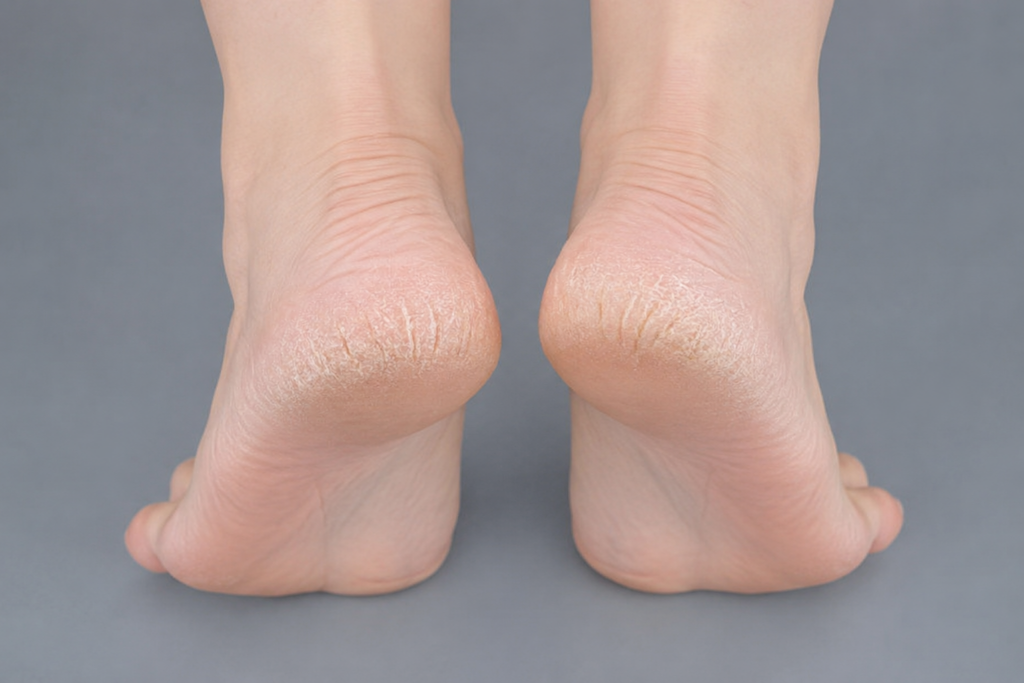
Cracked heels are one of the most common issues treated by podologists. According to specialists, more than 30% of people over the age of 40 experience this condition. Many try to solve the problem on their own using creams, pumice stones, or home remedies — often making the situation worse. Let’s explore why heels crack, when it may signal an underlying condition, and how cracked feet should be properly treated.
Why Heels Crack: Main Causes
Cracked heels are considered a form of dermatitis. The skin on the heels is constantly exposed to pressure from body weight, friction from footwear, and temperature changes. When the skin’s regenerative ability decreases, dryness and flaking appear first, followed by cracks.
The causes can be divided into external and internal factors.
External Factors
- Wearing open, tight, or rigid footwear
- Prolonged standing or walking on hard surfaces
- Dry climate and hot summers — common in Armenia
- Using aggressive cleansing products on the feet
Internal Factors
- Deficiency of vitamins B3 and E, as well as Omega-3, Omega-7, and Omega-9 fatty acids
- Diabetes mellitus — causing impaired circulation and nerve function in the feet
- Hypothyroidism and other metabolic disorders
- Psoriasis, atopic dermatitis, and eczema
- Disruption of the skin’s hydrolipid balance
Understanding the cause is the key step in treatment. If the cracks are related to diabetes or a fungal infection, moisturizing creams alone will not solve the problem — comprehensive treatment is required.
Why Deep Heel Cracks Can Be Dangerous
Superficial cracks are mainly a cosmetic concern. Deep cracks, however, are a medical issue. They:
- Cause pain while walking and even at rest
- May bleed and become infected with bacteria
- Increase the risk of soft tissue inflammation
- In diabetic patients, may lead to serious complications, including trophic ulcers
If redness, swelling, discharge, or increased warmth appears around the cracks, medical attention should be sought immediately.
Treatment of Cracked Heels by a Podologist
Using a pumice stone or foot file at home may provide temporary relief, but it does not address the underlying cause. Excessive filing can even trigger further thickening of the skin as a protective response.
At Medest Clinic, podologists take a different approach:
- Skin assessment: evaluating the depth of cracks, inflammation, and possible fungal infection
- Professional hardware treatment: removal of hyperkeratosis using specialized attachments
- Crack care: disinfection and application of healing and nourishing products
- Referral to a dermatologist or endocrinologist if an underlying condition is suspected
- Personalized home-care recommendations, including creams, oils, and treatment routines
The number of sessions depends on the severity of the condition. Mild cases may improve after one visit, while advanced cases often require a treatment course.
How to Prevent Heel Cracks
Prevention is much easier and more affordable than treatment. Podologists recommend:
- Applying a urea-based foot cream (5–10%) daily, preferably after showering
- Choosing footwear with a closed heel and soft sole
- Avoiding prolonged barefoot walking on stone or hard surfaces
- Reviewing your diet and including foods rich in B vitamins and Omega fatty acids
- Visiting a podologist for preventive care every 1–2 months
FAQ: Cracked Heels
Can cracked heels be treated at home?
Superficial cracks can often improve with proper care and suitable products. Deep, painful, or non-healing cracks require professional podology treatment.
Why do heel cracks appear every summer?
Hot weather, open footwear, and walking barefoot are common triggers, especially in Armenia. If the problem recurs regularly, there may be an underlying systemic cause.
Are cracked heels related to fungal infections?
Yes. Fungal skin infections are one of the common causes of chronic heel cracks. A podologist can perform an assessment and recommend antifungal treatment if needed.
Is podology treatment painful?
No. The procedure is generally comfortable. In cases of deep inflamed cracks, the specialist will choose the most appropriate treatment method.
Foot skin problems are often interconnected: heel cracks may accompany fungal infections or even precede them. Learn more about fungal nail and foot treatment in a separate article on our website. We also recommend reading about medical pedicure, which forms the foundation of foot care for various skin conditions.
You can book an appointment with a podologist at Medest online or by phone. We are located in Yerevan, 16 Abovyan Street, 3rd floor.
| Code | Service name | Cost, ֏ |
|---|---|---|
|
Hardware pedicure and callus removal |
from 15 000 | |
|
Medical hardware pedicure, diabetic foot |
from 25 000 | |
|
Medical hardware pedicure, normal with mild problems |
15 000 | |
|
Medical hardware pedicure, psoriasis and damaged nails |
45 000 |