Seasonal Hair Loss: Myth or Reality?
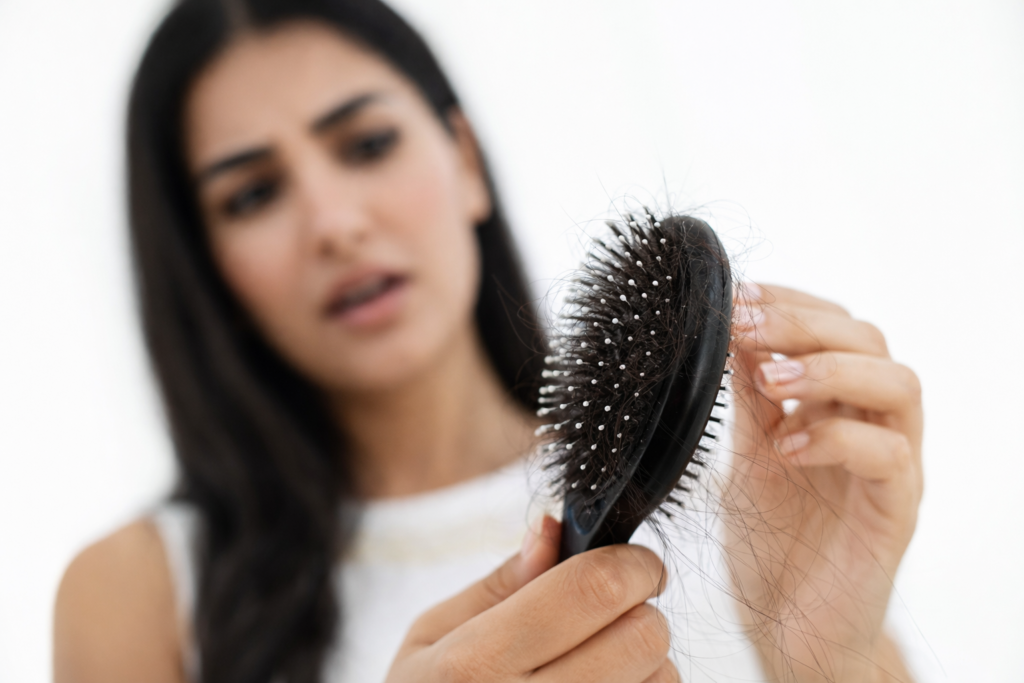
Every autumn, patients increasingly come to a trichologist with the same question: “Why is my hair falling out more than usual? Is this normal, or should I be concerned?”
Seasonal hair loss is a phenomenon that is often discussed, but its nature is not always fully understood. Let’s take a closer look at what is really happening—and when it’s time to see a specialist.
The body’s natural biorhythm
Hair growth follows natural renewal cycles. In summer, hair follicles are more active: there is more sunlight, more vitamin D, and improved blood circulation to the scalp. Closer to autumn, some hair enters the resting phase (telogen), which leads to increased shedding—usually 2–3 months after peak sun exposure.
This is considered normal if hair loss is moderate and not accompanied by other symptoms.
Research confirms:
- peak hair shedding occurs between September and November
- peak hair growth happens in spring and early summer
So, a slight increase in hair loss during autumn is a real, physiological process.
When “seasonal” hair loss becomes a concern
It’s important to understand that seasonality is only a trigger, not the root cause of the problem. If hair follicles are weakened due to stress, nutritional deficiencies, or hormonal imbalances, autumn is often when the issue becomes more noticeable.
Warning signs include:
- hair loss lasting longer than 6–8 weeks
- hair falling out in clumps or noticeable thinning
- the appearance of receding areas or a widening part
- itching, flaking, or inflammation of the scalp
- chronic stress, restrictive diets, illnesses, or hormonal disorders
In such cases, this is no longer simple seasonal shedding, but an underlying condition that requires proper diagnosis.
What to do? Diagnosis is the most important step
Without understanding the cause, treatment should not be started. Similar hair loss symptoms can be caused by androgenetic alopecia, reactive telogen effluvium, iron deficiency, thyroid disorders, stress, or improper hair care.
At Medest, the first step is trichoscopy.
This diagnostic method allows the doctor to:
- assess the condition of hair follicles
- determine hair density
- detect micro-inflammation
- identify the type and severity of alopecia
Only after this evaluation does the doctor create a personalized hair restoration plan.
How does Medest treat seasonal and reactive hair loss?
PRP Therapy (Platelet-Rich Plasma)
One of the most effective methods for stimulating hair growth, based on the patient’s own growth factors.
PRP therapy helps to:
- activate “dormant” follicles
- strengthen hair roots
- reduce hair loss
- improve hair quality and density after 3–4 sessions
At Medest, PRP is performed according to protocols that ensure a high concentration of platelets, significantly increasing treatment effectiveness.
HELEO4 LED Therapy
Another effective option is LED therapy using the HELEO4 device. During the procedure, laser stimulation is applied to improve microcirculation and reduce inflammation through photodynamic effects. HELEO4 LED therapy enhances blood flow, strengthens hair roots, and significantly boosts the effectiveness of other treatments, including mesotherapy.
Hair care consultation
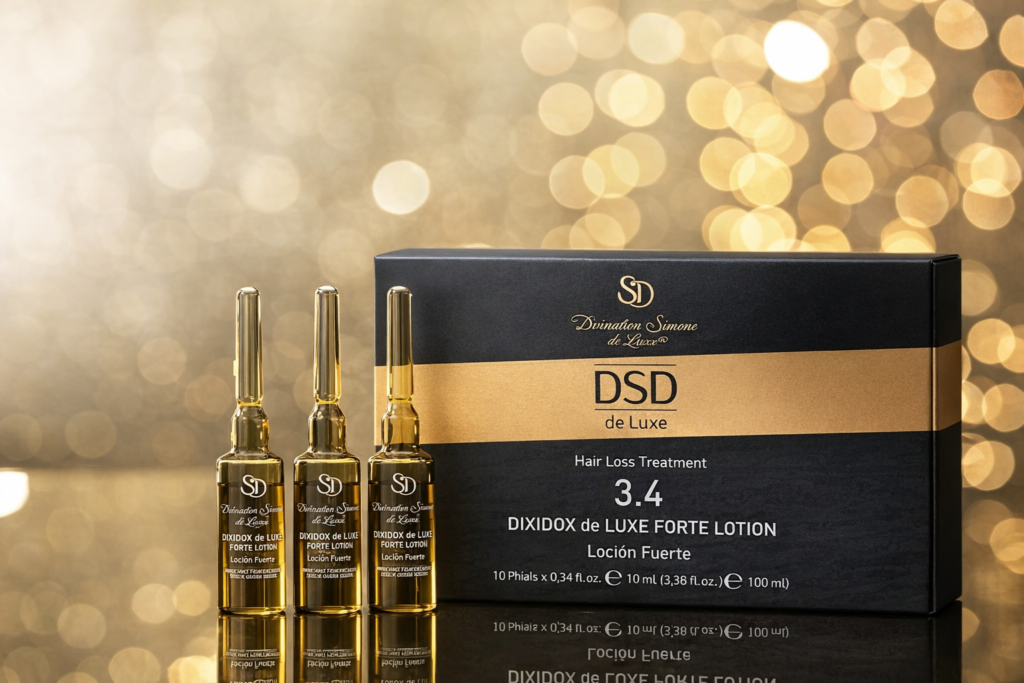
Our specialists help select personalized home care based on scalp condition and hair needs. To achieve optimal results, we recommend professional DSD products, which complement in-clinic procedures and help maintain results between visits.
Final takeaway
Seasonal hair loss does exist—but it should not be catastrophic. A mild increase in shedding during autumn is normal. However, if hair becomes noticeably thinner, shedding lasts longer than a couple of months, or scalp discomfort appears, it’s best not to wait and to schedule a consultation with a trichologist at Medest.
| Code | Service name | Cost, ֏ |
|---|---|---|
| A14.01.013 |
A14.01.013
Trichoscopy |
20 000 |
| A22.01.001 |
A22.01.001
1 vial |
25000 |
| A14.01.013Hair root stimulation (RB laser FOTONA)30,000 |
A14.01.013Hair root stimulation (RB laser FOTONA)30,000
Hair root stimulation (RB laser FOTONA) |
30 000 |